





Our monthly look at what’s driving global markets
Article last updated 25 February 2026.
|
Quick take
|
What are the biggest long-term trends in this sector?
Structural shifts in global energy markets and technological developments have meant that already stretched supplies of copper and uranium are failing to keep up with increasing demand. This is boosting appetite for mining stocks with exposure to these metals, pushing share prices and valuations higher.
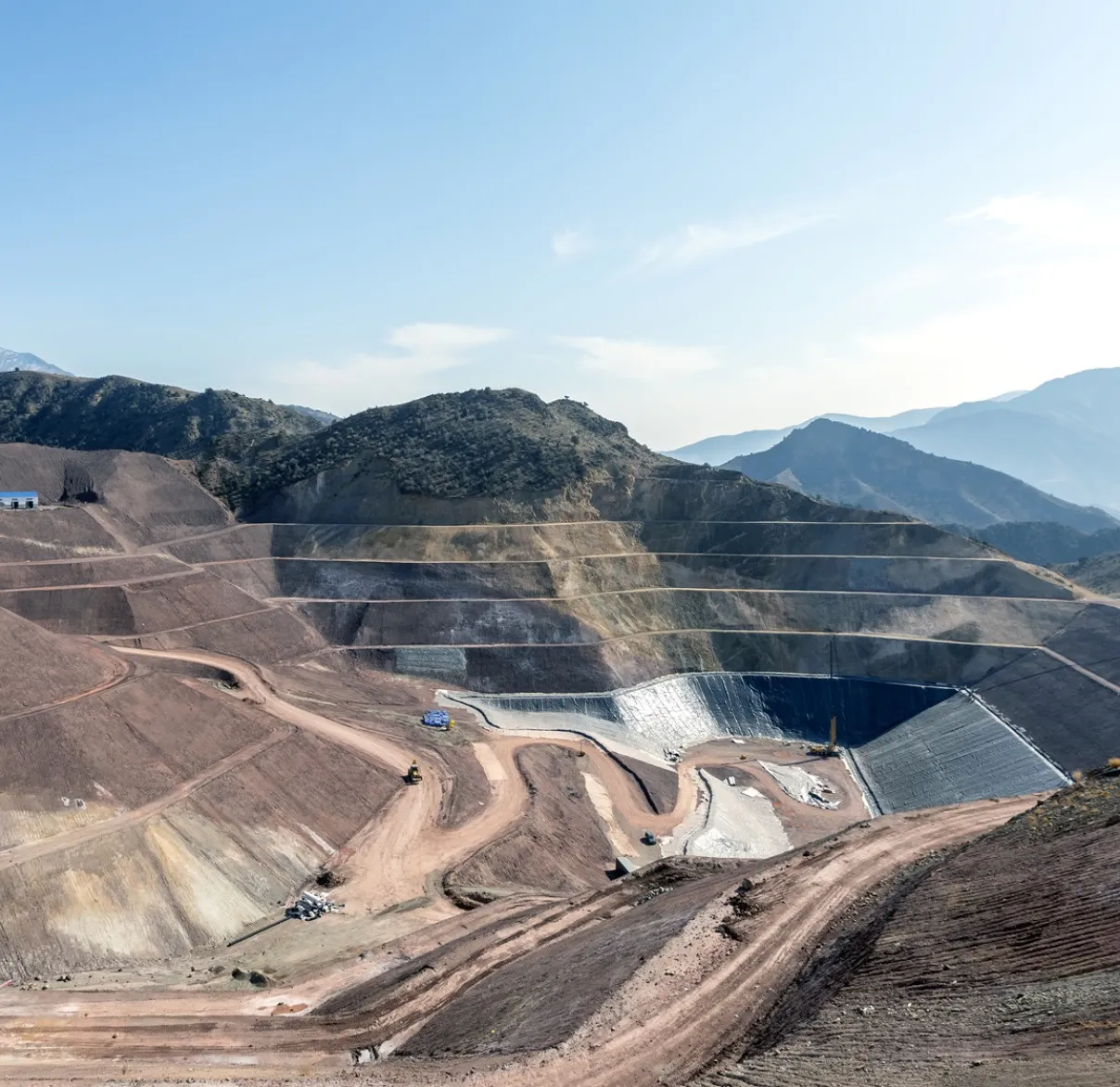
There are several constraints on copper production, amid growing demand from electrification, renewable energy and data centre expansion related to AI. Two major limitations are declining ore grades (the amounts of copper being extracted from a given amount of rock) and ageing mines. The rising amount of capital needed to extract the same amount of copper and bottlenecks in the granting of mining permits are also curbing production. Recent disruptions at major mines have exacerbated this trend, with growth in global copper supply forecast to lag increases in demand through to at least 2027.
There’s a structural deficit in the supply of uranium. This is because of years of underinvestment following Japan’s Fukushima nuclear accident, coupled with the resurgence of nuclear power for energy security and AI-driven electricity demand. New mine development remains slow and secondary sources (residual mineral resources left after the mining of the primary ore) are dwindling. This supports a multi-year investment case for high-quality miners with exposure to the structurally growing demand for uranium.
Another major trend in the sector over the past two years has been a sharp and sustained rise in the gold price to successive all-time highs. This was fuelled by demand for the perceived safety of gold amid intensifying geopolitical risks and doubts about the dollar’s status as the global reserve currency. Although gold has recently suffered a sharp sell-off, its role as a store of value and hedge against macroeconomic risk should continue to attract capital, reinforcing its strategic importance within the mining sector.
Ageing mines
More than half of mines operating in 2023 were more than 20 years old.
How are these trends affecting valuations?
These improving fundamentals have led to strong share price gains and pushed up the valuations (prices relative to earnings per share) of mining companies across copper, uranium and gold. There’s been a clear outperformance among producers of these metals even as valuations have risen across the entire mining sector.
The shares of miners active in other precious metals that have rallied in tandem with gold, such as platinum and silver, have also seen strong gains. They have benefited from similar macroeconomic tailwinds and safe-haven demand that have been driving gold’s gains. In contrast, diversified mining groups more focused on iron ore have underperformed amid relatively lacklustre demand for bulk materials. This divergence highlights investors’ willingness to pay a premium for companies that are best positioned for long-term growth and favourable supply and demand dynamics.
What’s the best way to invest in mining?
We’re focusing on stocks with significant exposure to copper and uranium, which stand to benefit the most from the combination of supply constraints and long-term growth in demand. The structural trends underpinning these commodities, such as electrification, decarbonisation, and the increasing energy demands of AI data centres, should support mining stocks with exposure to them over a multi-year investment horizon. Meanwhile, limited new project approvals and rising capital intensity restrict future supply growth.
However, we have less conviction in the ability of precious metals to sustain their strong gains over the longer term, given their sensitivity to economic and geopolitical factors. Our preference within mining is for companies with strong organic growth opportunities. In particular, those with so-called brownfield expansion projects – the development or redevelopment of existing mine sites. Compared with ‘greenfield’ projects, on undeveloped land, brownfield projects allow miners to grow with lower initial costs, faster completion of projects and fewer risks to achieving expected levels of production.
What are we watching in the short term?
Risks of supply disruptions or project delays in copper and uranium remain front of mind, as any further tightening of supplies could give a boost to prices. Supply disruption was particularly pronounced in the copper market in 2025: of the world’s 20 largest mines, five are either temporarily suspended or have encountered major operational setbacks. Copper mining in particular could be fertile ground for mergers and acquisitions, given its strategic importance and fragmented supply base. Major transactions could serve as catalysts for pushing valuations higher still. In terms of the economic outlook, we’re focused on geopolitical developments and signals on the strength of the global economy. These factors can influence investor sentiment towards mining, which is a cyclical industry dependent on global growth.
How is the energy transition affecting demand for materials?
Uranium stands out as a key beneficiary of growing demand from the energy transition. Nuclear power’s very low carbon emissions across the entire lifecycle, from initial development of nuclear plants through to electricity production, make it a critical enabler of decarbonisation and energy security. Nuclear power is expanding as countries seek reliable, low-carbon baseload power, fuelling sustained demand for uranium.
Copper is equally vital, underpinning the electrification of transport, industry and especially the expansion and upgrading of power grids needed to bring renewable energy to its users. At the moment, grid investments, particularly in the US, are being driven by the rapid expansion of AI data centres and the rebuilding of domestic manufacturing bases as globalisation goes into reverse. These trends also increase the need for reliable, low-carbon nuclear power.
Among precious metals, we expect long-term demand for platinum and palladium to decline as electric vehicle (EV) adoption accelerates, eliminating the need for the catalytic converters that require these metals. Demand has proven more resilient than anticipated, with slower-than-expected EV penetration and continued need for these metals in internal combustion engines, including in hybrid vehicles.
As we navigate this shifting landscape, we’re staying cautious around areas like platinum and palladium, where demand looks unsustainable over the long term. Instead, we’re focusing on copper and uranium miners, which we see benefiting for years to come from growth in the need for these metals. This is likely to come from the rebuilding of domestic manufacturing bases and the rapid expansion of datacentres and the infrastructure needed for the global energy transition. Meanwhile, their share prices should continue to get extra support as this growth looks set to outstrip increases in supply for the foreseeable future.