Mike Kempster:
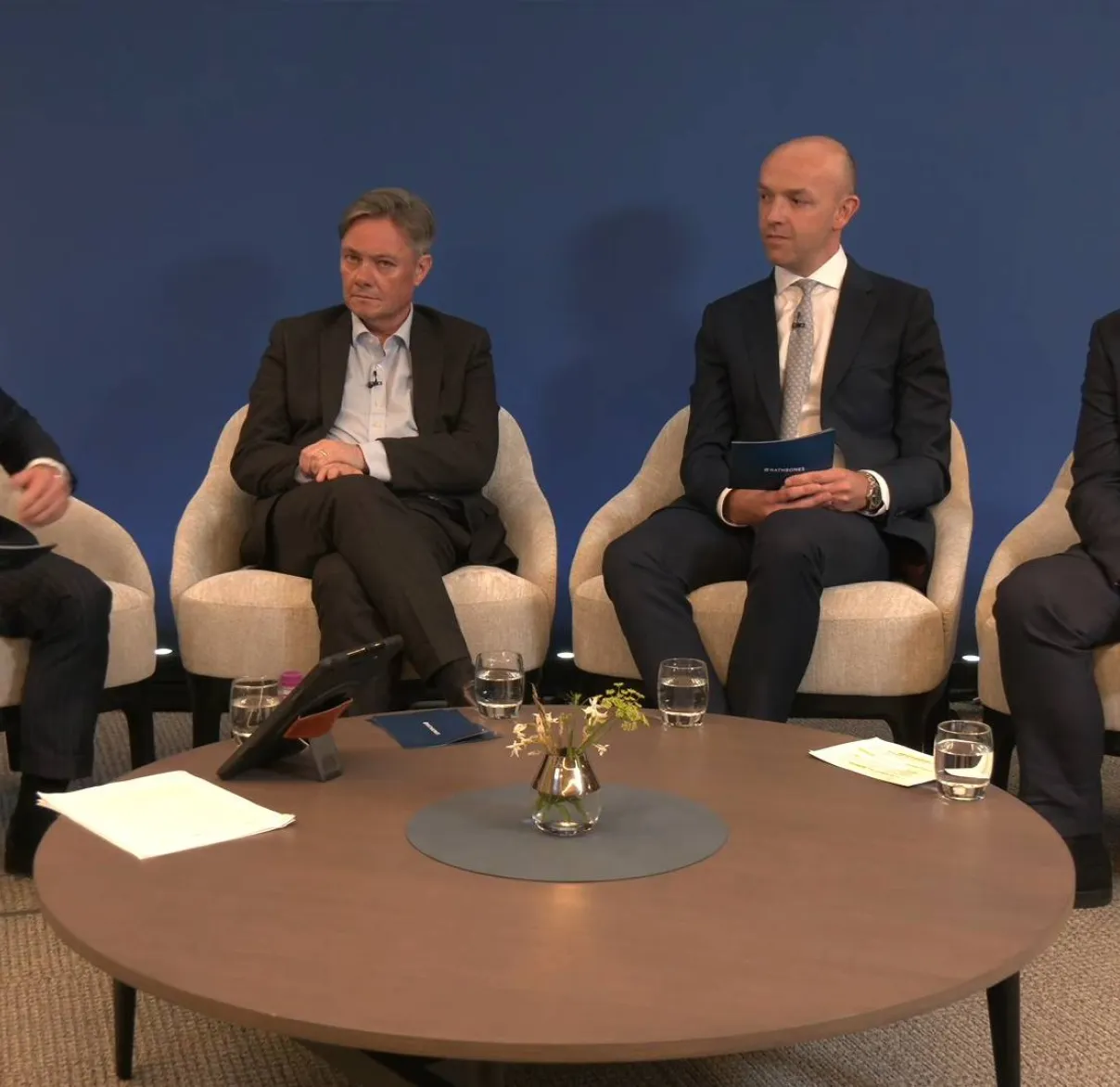
Good afternoon, everyone, and welcome to our webinar, Autumn Budget: From Policy to Portfolio. Today, we'll cut through the noise and focus on some of the key announcements from Rachel Reeves' second budget.
I'm Mike Kempster, Head of London South and East Distribution for Rathbones, and I'll be moderating today's discussion.
Joining me are three outstanding experts: Guy Opperman, the UK's longest-serving pensions minister and former Conservative MP for Hexham, with experience in the Home Office, Treasury, and Transport departments.
Also joined by Iain Wright, Chief Policy and Communications Officer at the Institute of Chartered Accountants for England and Wales, and former Labour MP for Hartlepool, Parliamentary Undersecretary of State for Apprenticeships, and Chair of the Business Innovation and Skills Select Committee.
We're also joined by Nick Vaill, Senior Investment Director at Rathbones. He specialises in bespoke investment strategies and portfolio management, working with financial advisers and their clients.
During today's session, you'll hear insights from each panel member as they share their perspectives on the budget. We'll then move on to answering your questions.
If you'd like to submit a question, simply use the Q&A tab located on the right-hand side of your screen. We'll address as many questions as possible during the session today, and for any we can't cover live, we'll follow up with an answer if it hasn't been submitted anonymously.
Before we begin, I'd just like to add that the information discussed in today's panel is based on our current understanding of the policies and shouldn't be taken as any sort of advice or recommendation.
So, in preparation for the webinar, we've been speaking to our adviser community and we polled around a hundred advisers about their top concerns and questions that clients have been contacting them about. Thanks to those that responded.
The key areas that came up were pensions and PCLS. They left it to a matter of weeks before putting everyone out of their misery and clarifying it's not on the hit list for this year.
Other concerns among that were IHT and potential changes to the gifting rules – again, no mention of this in the announcements. However, changes to pension salary sacrifice contributions were announced.
Next on the list: an increase to property income tax and a mansion tax, followed by dividends and savings tax increases, and a reduction in the income tax relief on VCTs.
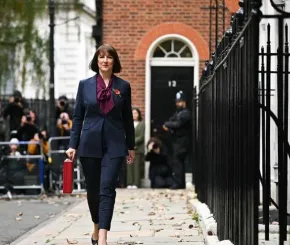
The Chancellor of the Exchequer, Rachel Reeves, delivered her second Autumn Statement while the lead-up to the announcement was filled with speculation and high expectations. So, what's the reality for advisers? Let's hear from the panel.
With that in mind, what are your key takeaways from yesterday's budget, and what should advisers focus on right now? Iain, if you could start us off.
Iain Wright:
Well, thanks, Mike, and thanks for allowing me to be here. In terms of what advisers should concentrate on, I'd think about timing. And I'd specialise in two areas.
One is the changes – the increases in dividend, savings, and property taxation – which will come in in April. How will that affect how businesses and individuals will take their income? How will remuneration drawings alter as a result of that? Being able to structure that is important.
Longer term – and this is where the big surprise was for me – we saw it heavily trailed about salary sacrifices for pension contributions. I thought that was going to come in in April. It's now going to come in, so the Red Book says, in April 2029. We've got the best part of four years to plan for that.
There's a question about whether it will happen, given that it's four years away. But I suppose it's, you know, how do I plan for my retirement, given that I was thinking about salary sacrifice as a big part of helping to enhance my contribution?
Mike Kempster:
Sure. Yeah. And Nick, from a portfolio management perspective, you and your team, like many of our colleagues around the business and advisers, have been fielding questions and concerns from clients and their advisers over the speculation. Now you've had a chance to review yesterday's announcements, what are your thoughts?
Nick Vaill:
I think initially, a sigh of relief. Bit of a bullet dodged. But the budget is something of a sticking plaster. Some of the conversations we've been having with advisers and their clients – some of the potential panics, clients thinking about rushing to take out their lump sums from their pensions, lifetime gifting, or even taking out their investments entirely, thinking about the budget implications on overall portfolios.
So I think we can draw breath from that. Advisers, with our help, can get back to business as usual – thinking about lifetime gifting, sensible pension planning, family investment companies, for example – get back to that BAU.
Mike Kempster:
Excellent. And Guy, let's hear your views.
Guy Opperman:
Napoleon said, "Give me a lucky general," and she was very unlucky. I felt genuine sympathy for her because the OBR leaked it all beforehand, which kind of stole the thunder but also spelled it out: by the end of the parliament, taxes will be up, debt will be up, productivity and other things will struggle.
So I think we dodged a bullet in some respects. The lump sum is a great example – many of us felt that was under threat. The question is whether that is off the table forever. I personally don't think it is.
But we are in a position that many things that probably should have been done – reduction in spending, getting interest rates down and bond rates down – probably haven't been tackled. And that, I think, is a long-term worry for the economy, which we all want to see do well.
Mike Kempster:
Yes. Yeah. And I agree with that. Thanks for sharing your thoughts and insights. It's always helpful to hear different views and perspectives. Advisers just want to help clients plan for their future, so it's good to get the wider context and the potential implications of these changes.
So let's move on to the pensions aspect. We've seen the introduction of the pension salary sacrifice cap, coupled with last year's budget bringing pensions under IHT rules back into estates. Let's hear why and what the future might hold for that.
Given the introduction of this cap coming in – and Iain rightly said in four years' time – how do you think this will impact pension contributions and the incentive to save into private pensions for retirement? Guy?
Guy Opperman:
Three key points. First, the negative: people will hear "tax on pensions." That is just not a good thing at all, because there's been a consensus for a long time that pension saving is something that is effectively not taxed on the way in.
So that is a narrative you've got to get through. Now, I think that's doable, but the long-term consequence is they would like everybody to put more into a private pension. I think I'll believe that when I see it, and I'll also believe it when employers are willing to pay the NI. Inevitably, employers will be going, "Well, I don't really want to pay this," and employees will be going, "Well, I don't want to pay this." That will take some friction.
Iain is right to highlight the fact that this is four years away, because there is real scepticism among politicIains and commentators that this will definitely come in – three weeks before the next general election? I don't personally see that happening.
Iain Wright:
From a tax point of view, pensions have been an attractive planning tool – reducing income tax and increasing long-term savings. So how will this affect businesses with the changes brought in by Rachel Reeves yesterday? And do you think we could see a shift away from salary sacrifice arrangements over to DC schemes where National Insurance doesn't yet impact employer contributions?
I think the short answer is yes. One of the problems of our tax system is the cliff edge – what incentivises someone to take a new job, to get a promotion, to earn £125,000? The tax take as a result of that promotion might be a big hit. So what do I do? Well, actually I'll put money into my pension to reduce the income tax and reduce my salary. That's a good planning tool. That might be taken away.
Nick Vaill:
From a portfolio perspective, there’s a balance to be had. Immediate impacts of the budget were muted – 10-year gilt yields fell by about seven basis points, sterling strengthened slightly, but no huge moves. Bigger drivers remain global – US markets near record highs, Fed rate cut expectations rising.
For advisers, planning opportunities remain: offshore bonds, ISAs, GIAs, structured products for tax efficiency. And we’re launching a formal retirement drawdown strategy soon, which will help advisers pivot client strategies.
Mike Kempster:
Thank you. And now, property – mansion tax, property income tax increases. Guy?
Guy Opperman:
Clearly negative for property overall. But the bigger impact is the Renters Reform Bill – seismic for the rental market. Ten years ago, property was an alternative pension. Successive governments have clamped down on landlords. Very few people now would use property planning as part of their pension portfolio.
Iain Wright:
As a former housing minister, I agree. We need quality housing, but we also need supply. If landlords exit, that’s a nightmare. Balance is key – but right now, property as an investment vehicle looks increasingly unattractive.
Nick Vaill:
Advisers should identify clients with buy-to-let properties – opportunities to diversify into financial assets. Our research piece Don’t Bet The House is relevant here.
Mike Kempster:
Great discussion. Let’s move to Q&A.
Audience questions:
NI changes make salary sacrifice less attractive – should advisers pivot to employer contributions?
- Guy: Yes, but timing matters – 2029 is far away.
- Iain: Agreed – plan ahead, but uncertainty remains.
Will annuities be subject to IHT?
- Guy: Highly unlikely. Taxing future revenue streams defies logic.
Could an early election change things?
- Iain: No – expect full term to 2029.
Why were 10-year gilt auctions oversubscribed if the economy is weak?
- Nick: UK debt-to-GDP isn’t extreme; yields are attractive; demand remains.
- Guy: Secure investment, but economy still fragile.
Mike Kempster:
We’ve covered a lot – from headline measures to deeper implications for tax, pensions, planning, and investment strategy. This budget isn’t just about numbers – it’s about translating policy shifts into practical steps for advisers and helping clients plan effectively.
If you’d like more information, visit our dedicated hub via the link on screen. Please share feedback via the form provided – it helps us make these sessions more relevant.
Join us on 3rd December for our next webinar with Guy Opperman and Mark Polson from The Lang Cat, hosted by Ed Walker, discussing the retirement paradox and presenting a new thought leadership paper.
Thank you to our panel and all our listeners. If you need support applying these changes or discussing client case studies, contact your usual Rathbones contact.
On behalf of Rathbones, I’m Mike Kempster. Stay focused, stay proactive, and let’s continue to deliver confidence in a changing landscape so our clients can invest well and live well.