



Listen in as Robert Sears, Chief Investment Officer, and John Wyn-Evans, Head of Market Analysis, explore the themes shaping global markets right now and what they mean for investors.
Article last updated 29 June 2026.
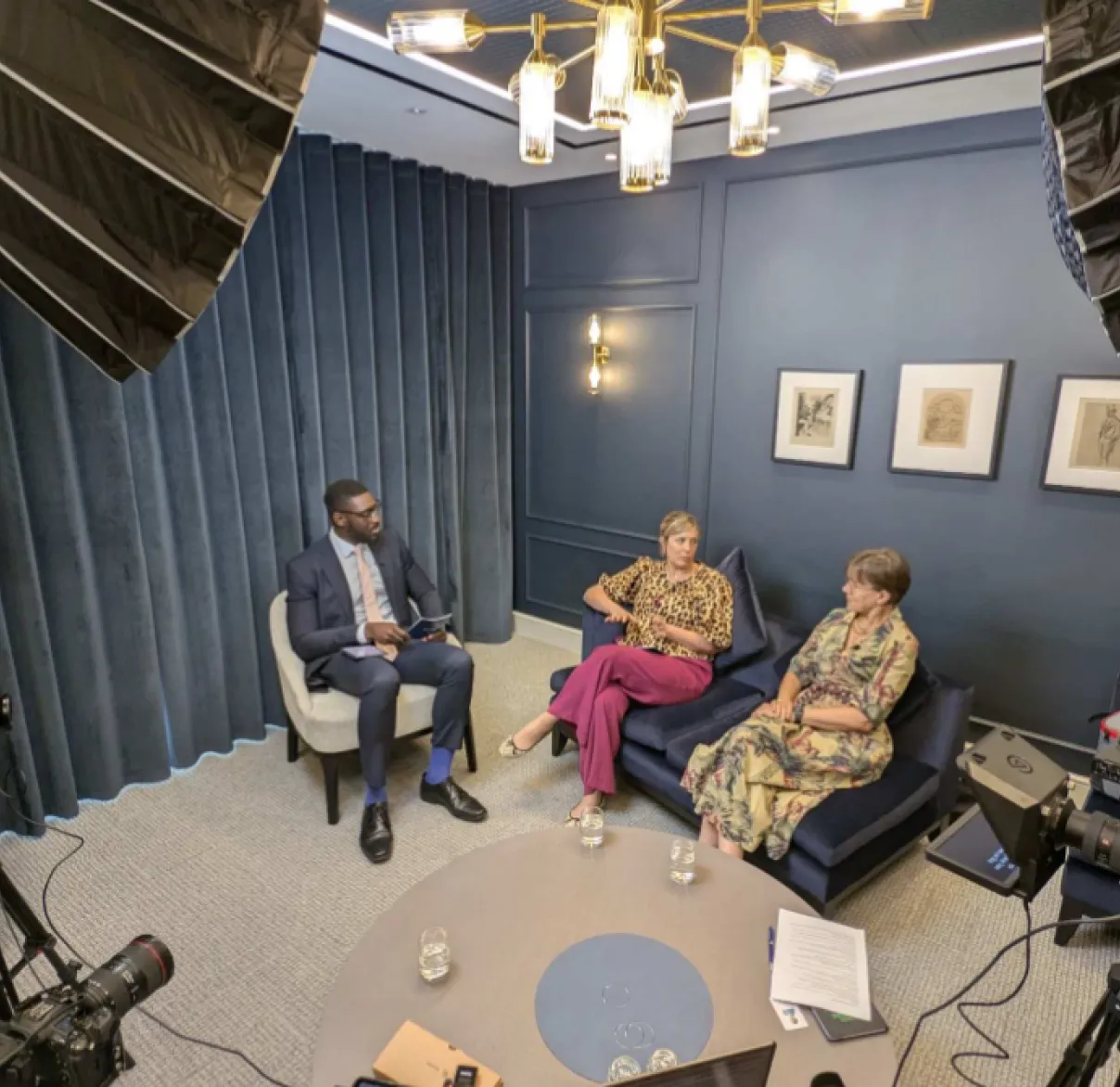
Retirement isn’t what it used to be. In our recent webinar, Rebecca Williams, Financial Planning Divisional Lead, and Jane Sydenham, Senior Investment Director, joined Myron Jobson, Personal Finance Senior Manager, to talk through what really matters during the savings years for retirement.
Gone are the days of a single employer, a gold watch, and a final salary pension paying out for life. Today, careers are more fluid, pensions more varied, and retirements longer than ever. Here are the key takeaways from the session to help you feel more confident about the steps you can take now.
The new shape of retirement
Finishing on a Friday and putting your feet up on Monday isn't how it tends to go anymore. Retirement is now more of a patchwork - a phased transition that might mix a career change, shorter hours, volunteering, travel, or new hobbies.
It also lasts longer. A 50-year-old woman today has an average life expectancy of around 87, with a 50% chance of reaching 90. A retirement starting at 60 or 65 could easily stretch for 25 or 30 years, a lot of life to fund, and a lot of opportunity to plan for.
The questions everyone asks
Three concerns come up time and again:
- How much is enough? The answer is different for everyone.
- How do I fit it all in? Mortgages, childcare, school fees, and the cost of living all compete for the same pound as retirement savings.
- When can I slow down? Many people want to step back from a high-pressure role before fully retiring - the question is whether they can afford to.
What "comfortable" really looks like
For one client, a comfortable retirement is first-class holidays in a five-star hotel. For another, it's a Winnebago touring Europe. Two people with similar wealth can picture it completely differently.
The Retirement Living Standards website is a useful starting point, it suggests a couple might need around £60,000 a year (assuming no rent or mortgage) to cover one or two holidays, eating out, and a bit of socialising. But the real value comes from picturing what you want, costing it up, and working back to how much you need to save.
Why time is your best friend
Start as early as you can. Compounding quietly builds wealth over decades, and even small, consistent amounts make a big difference.
A few practical pointers:
- Join your employer's pension scheme. If you put in £100 and your employer matches it, that's free money.
- Aim higher than the 8% auto-enrolment minimum. The rule of thumb for comfort is closer to 15%.
- Top up when you can. Even small extra contributions go a long way.
- Think generationally. Parents and grandparents can pay into a pension for a child from birth.
And if you're in your 40s or 50s and feel late to the party, you're not. 10, 15, even 20 years of saving still makes a real difference.
Pulling your pension pots together
Most people accumulate several pensions over their working life. Start with the admin: track down what you have and use the government's pension tracing service if you've lost touch with a scheme.
Consolidating can simplify your finances and unlock better investment opportunities. But it's not always right, some older schemes carry valuable benefits that would be lost on transfer. Always take advice first.
Investing for the long road
The longer your horizon, the most risk you can afford to take. Cash feels safe but doesn't grow in real terms, inflation quietly erodes it. The stock market has historically driven the returns needed to stay ahead.
As retirement nears, the aim is to come into land gradually, reducing risk so a downturn doesn't derail your plans. But the timeline isn't always your retirement date, it's when you'll actually start drawing on the money. If other assets cover your early years, your pension might stay invested for another 10, 15, even 25 years.
Tuning out the noise
Markets move on headlines, but most of it is noise. There's no evidence anyone can consistently time the market. The best thing you can do is design a long-term plan, invest gradually, and stick with it.
Recent volatility around the conflict in Iran is a case in point, despite alarming headlines, markets are now slightly higher than before. Political drama and investment reality often diverge.
Caught in the middle: the sandwich generation
Many of our clients in their 40s and 50s are juggling competing pressures, supporting children, helping elderly parents, and saving for their own future all at once.
The advice is direct: don't forget yourself. Without solid foundations, you can't support anyone else. It's also worth having open conversations about money with parents (do they have a plan?) and with your own children. Talking about money tends to make children more responsible, not less. And don't overlook the cost of later life care if it’s needed: in London and the Southeast, it can run to £80,000-£90,000 a year.
Foundations first
Before chasing growth, make sure the basics are solid:
- Insurance. Life cover and income protection matter, check what your employer already provides.
- Emergency fund. Keep enough accessible cash so you don't have to dip into long-term investments.
- Then savings and investments. With the safety net in place, you can build wealth with confidence.
Mixing the right ingredients
A good retirement income rarely comes from one source:
- Pensions offer tax relief, tax-efficient growth, and tax-free cash on the way out.
- ISAs offer tax-efficient growth with full flexibility to withdraw.
- Property, particularly your main home increasingly plays a role, through downsizing or releasing equity.
The real value of advice is pulling these together to keep income tax-efficient and long-lasting.
A change worth preparing for: April 2027
From April 2027, unused pension funds will be brought into inheritance tax calculations. It's another reason to consider consolidation, keep beneficiaries clearly documented, and take a joined-up view across your assets.
Seeing your future on paper
Cash flow planning is essentially a personal balance sheet over your lifetime - income, property, investments, and assumptions about tax and returns - projected forward to show whether you can fund your version of comfortable. It turns big questions into clear answers: how much do I need to save? Can I help my children with a house deposit? Can I afford to step back at 55?
A word on the state pension
The state pension matters but for many people isn't enough on its own and the state pension age is likely to keep rising. The answer isn't to panic, but to act: save consistently and start as early as you can.
And on speculation about pension and tax changes? Avoid knee-jerk decisions. Rumours about tax-free cash being scrapped recently led some people to withdraw money they didn't need to and the rules didn't change. A calm conversation about the detail beats acting on a headline.
Bringing it all together
Designing a retirement that works for you isn't about getting everything perfect. It's about building a plan that gives you confidence and the flexibility to adapt as life unfolds.
- Start as early as you can and stay consistent.
- Define what "comfortable" means for you.
- Match risk to your time horizon and tune out short-term noise.
- Use the full toolkit: pensions, ISAs, other assets, and the right insurance.
- Talk openly about money with your family.
- Review your plan regularly.
If you're an existing Rathbones client, speak to your usual contact. If you're new to Rathbones, get in touch via the enquiry form below.
Wherever you are on the journey, the best step you can take is the next one.
This article is for information only and does not consistute personal financial, investment or tax advice. You should seek professional advice based on your individual circumstances before making any financial decision. A note that any forward-looking views are based on current rules and may change.