



|
Charities risk undermining their long-term resilience if they fail to invest for the future, Rathbones has warned at its annual Charities Conference, ‘Future Resilience: Investing through Uncertainty’.
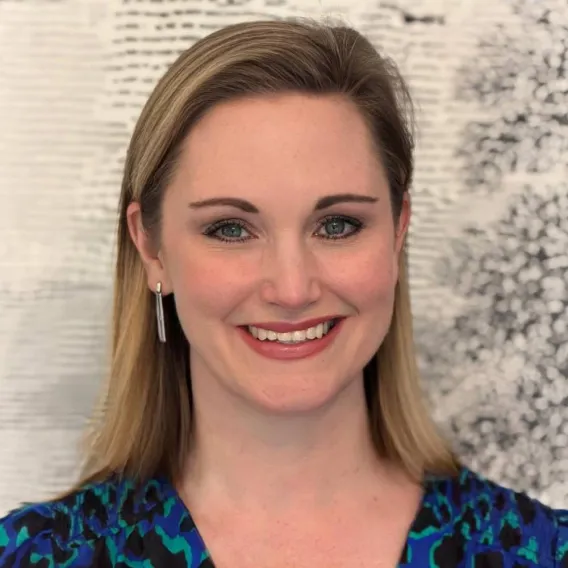
Speaking at the event, Gemma Gooch, Head of Charities Distribution at Rathbones, said the Charity Commission’s annual data should act as a prompt for trustees to review their approach to cash and long-term investment. The data shows around two in five charities are spending more than they receive, while more than half of charities with income above £500,000 hold no long-term investments.
The figures highlight both the financial pressure facing the sector and the opportunity cost of leaving significant reserves in cash, where inflation can erode their value in real terms.
Gemma Gooch, Head of Charities Distribution at Rathbones, said: “Many charity boards know they need to think beyond cash, but the decision can feel daunting when the external environment is so uncertain. The starting point does not have to be complex. It is about understanding what money is needed now, what can be set aside for the future, and what governance framework is needed to make those decisions with confidence.
“That is where specialist advice can make a real difference. We work with trustees to clarify objectives, agree appropriate risk parameters, review investment policies and build portfolios that reflect the charity’s mission, financial needs and values.”
Rathbones says trustees should start by distinguishing between money needed for near-term operational requirements and reserves that could potentially work harder over the long term. That means stress-testing income and expenditure assumptions, agreeing the right level of readily available funding and ensuring any investment strategy is aligned with the charity’s objectives, risk appetite and spending needs.
For larger charities in particular, Rathbones believes regular policy reviews, strong governance and access to specialist charity-investment expertise can help boards move from a default cash position to a considered strategy. This can support long-term purchasing power, provide a framework for decisions during volatile periods and help trustees demonstrate that they have considered the risks of both investing and not investing.
Rathbones stressed that the issue is not about encouraging charities to take unnecessary risk, but helping trustees make informed, proportionate decisions that reflect their charity’s time horizon, obligations and purpose.
David Cox, Director of Charities at Rathbones, said: “Trustees are right to be cautious in uncertain markets, but caution should not mean inertia. Holding too much cash for too long can quietly erode a charity’s ability to deliver its mission in the future.
“Choosing not to invest is itself a decision, and it carries risk. Our role is to help charity trustees understand those risks, set clear objectives, review their reserves policy and build an investment approach that is appropriate for their time horizon, obligations and purpose.”
The Rathbones Charity Conference also explored how charities can build resilience through governance, stewardship and responsible investment, including how capital can be used to influence wider environmental and social outcomes. Speakers argued that stewardship should not be seen as a soft extra, but as an important tool for charities seeking to align financial decisions with their purpose.
Other themes discussed included resilient board culture, managing risk through volatile markets, the changing role of responsible investment and the governance questions created by artificial intelligence. Rathbones said AI should increasingly be treated as a leadership issue, rather than simply an IT issue, with charities needing to balance opportunity with accountability, trust and human judgement.
The conference brought together over 100 charity leaders, trustees, investment specialists and governance experts to examine how organisations can prepare for a world of persistent challenges.
The programme included a discussion with AI and public-policy expert Verity Harding, one of TIME’s 100 Most Influential People in AI and author of AI Needs You, as well as sessions on markets and geopolitics, resilient boards and responsible-investment engagement.
ENDS