





This article forms part of our "Spotlights: Impacts in action" series looking at the impact our responsible business framework is having on clients, colleagues, communities and governance.
Article last updated 3 April 2026.
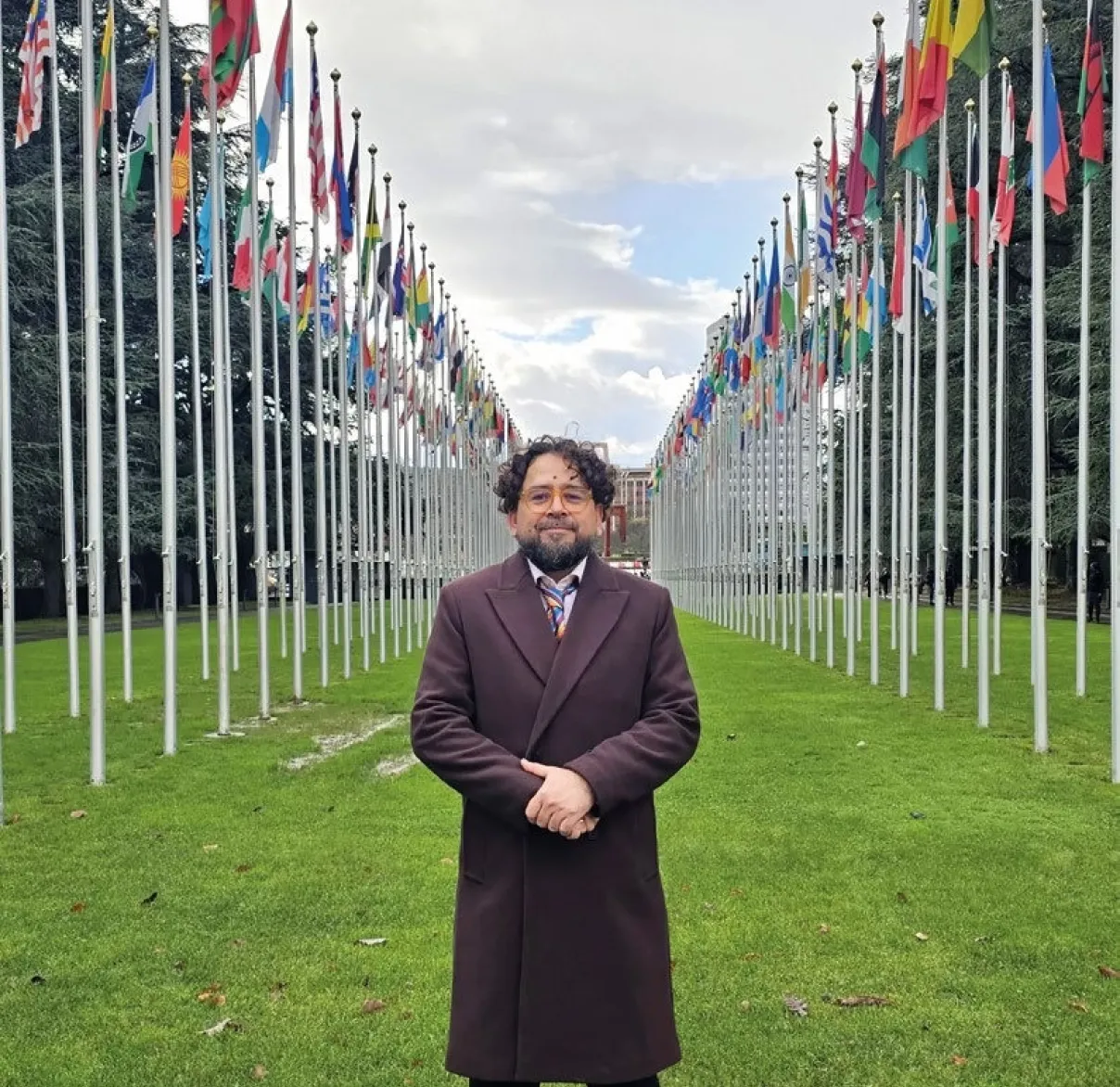
In recognition of Human Rights Day on the 10th of December, we hosted a panel for our colleagues focused on the role of financial services in respecting human rights, amid geopolitical uncertainty and regulatory gaps. Panellists, including our Responsible Business Manager Victor Riega (pictured) agreed this is a complex issue, but investors have the tools, and responsibility, to shape economies and deliver progress.
The discussion brought together voices from diplomacy, law, social enterprise, and stewardship to tackle issues including modern slavery, disability inclusion and just energy transitions.
The panellists stressed that human rights issues cannot remain abstract. Every decision matters, and companies willing to disclose the human rights challenges they face should be commended, not criticised. Archie Pearson, our Stewardship Lead, highlighted Rathbones’ long‑term approach which recognises that, while caring for human rights can be costly in the short term, the financial benefits in the long term are clear. Addressing human rights risks result in better social outcomes, stronger market positioning, and reduced material risk.
Speakers noted that soft law has been defining in the human rights space. With binding regulation lagging, investors must rely on other tools to drive progress, including acting as ‘critical friends’, engaging senior leaders and maintaining regular dialogue to embed human rights into strategy. Voting power was highlighted as a key lever, demonstrating how shareholder action can steer companies towards just transitions.
Multistakeholder initiatives emerged as another vital tool, enabling collaboration across sectors to develop standards, accelerate change, and bring diverse perspectives to the table. Our leadership in the Votes Against Slavery campaign exemplifies how investors can use their collective voting power to drive transparency and accountability on modern slavery, raising standards across UK supply chains and demonstrating the tangible impact of stewardship in advancing human rights.
Panellists also stressed the importance of amplifying worker voices and partnering with NGOs to ensure lived experience informs solutions.
The message from the session was clear. Progress depends on action, especially in difficult times, and investors must lead the way. We recognise that responsibility and will continue to use our influence to drive meaningful change. Looking ahead, we encourage businesses and investors alike to embrace transparency, consider human rights in decision‑making, and collaborate through engagement, voting, and partnerships, for a fairer, more sustainable future.