




.jpg?changed=1793110259)
The key Autumn Budget 2026 changes to pensions, tax, and inheritance, and what they could mean for your plans.
Article last updated 28 October 2026.
|
Quick take
|
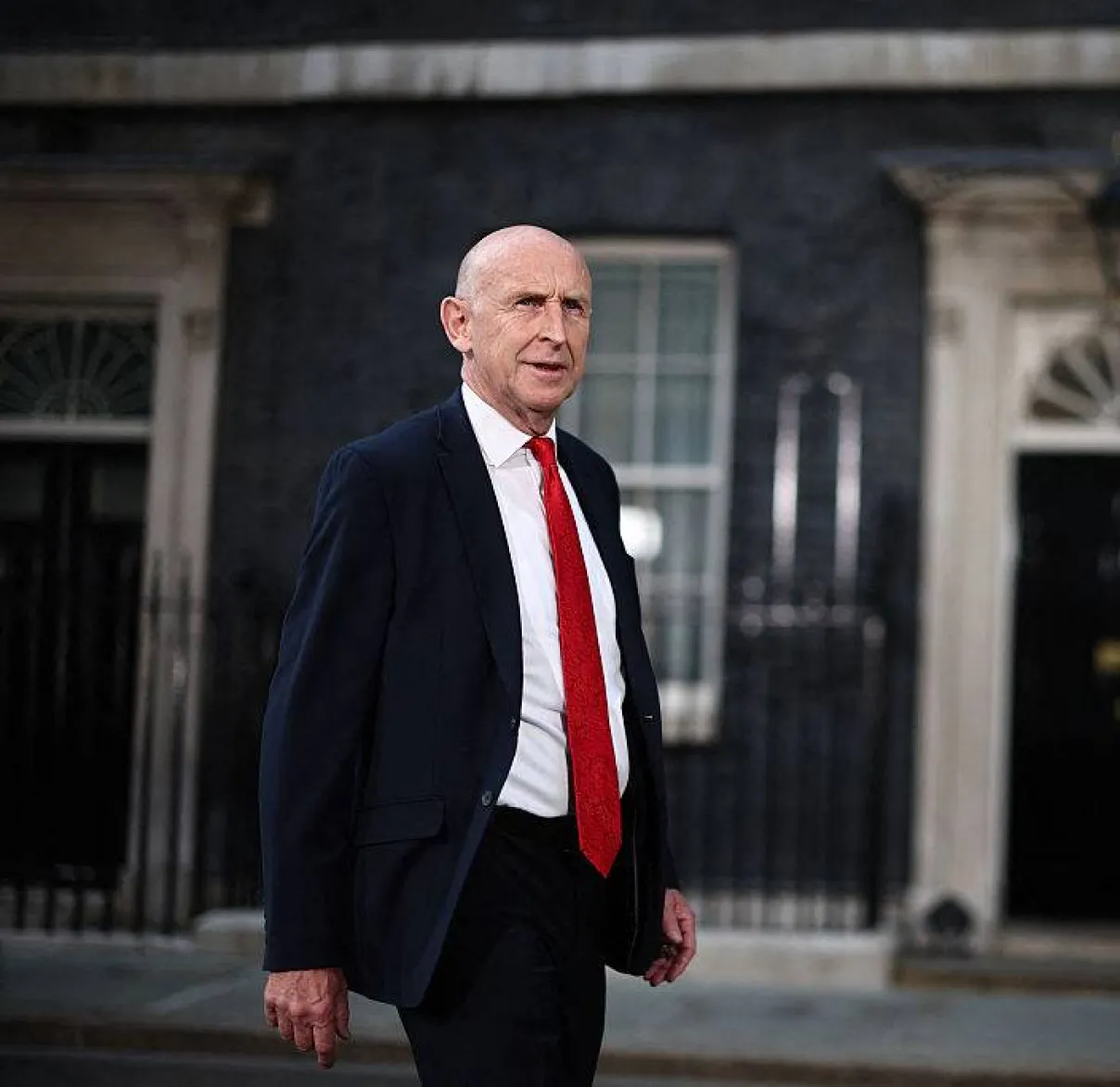
The ‘breathing space’ delivered by Chancellor John Healey today will be welcome for many, and he deserves some credit for managing the fiscal impact of the Iran conflict while keeping the bond market onside. But overall, this was a small Budget. Hard decisions have been delayed again, and what we heard today was certainly not a growth strategy. In the long run, faster economic growth will be central to improving the state of the public finances. That’s what Andy Burnham’s government needs to focus on for the remainder of its term in office.
Two clear goals
John Healey had two clear goals going into his first Budget. First, respond to the erosion of fiscal headroom (the buffer against the government’s fiscal rules) caused by the inflationary impact of the Iran conflict, while keeping bond investors onside and within the confines of the 2024 Labour manifesto. Second, provide some marginal relief for households and businesses struggling with higher costs, ideally in a fashion that provides the best political bang for his buck.
Broadly speaking, he appears to have achieved both today.
At the last forecast round in March, the government had £24bn of headroom against its fiscal rule, which requires day-to-day spending to be fully covered by tax revenue by 2029-30. In the months since, the Office for Budget Responsibility, a government body that provides independent analysis and forecasts, judged that headroom had been cut in half, to £12bn, largely due to the inflationary effects of the Iran conflict. Healey’s policy changes restored some of that, taking headroom back up to £15bn. This was sensible and broadly in line with expectations, which helps explain the muted reaction in the UK government bond market so far.
While the Chancellor hiked taxes on a net basis for the year 2029-30 (when the fiscal rule needs to be met), he opted to cut taxes, increase spending, and borrow more in the immediate future, in part to limit the impact of rising energy costs. This will come through an array of small measures presumably designed to get the largest political payoff for the smallest cost to the Exchequer. Policies included the now-traditional extension of the freeze to fuel duty, an extension of the cut to VAT on energy bills, reductions in business rates, and a £100 council tax rebate for certain properties. More cynical readers may view that as a potential attempt at a pre-election giveaway.
Big questions still unanswered
Overall though, the changes made in this Budget are small in economic terms. Measured as the average annual impact on borrowing over the five years of the OBR forecast, this was the fourth smallest of the 35 UK fiscal events since the OBR was established in 2010. Perhaps unsurprisingly, then, many big questions remain unanswered.
For one, the government has not addressed some of the fiscal fiction built into the five-year forecast. For example, after accounting for the commitment to spend 3% of GDP on defence by 2030, and assuming real-terms NHS spending growth continues at the pace set out in the 2025 Spending Review, other government departments will need to make real-terms cuts to spending to stay in line with the total departmental spending forecast set out today. That’s likely to be tough for a Labour government to implement.
There are also question marks about the credibility of other assumptions underpinning the fiscal projections. We are supposed to believe that the government will begin raising fuel duty in line with inflation again when the latest freeze is due to expire in July, but successive governments have declined to do this, stretching all the way back to 2011. This all highlights the significant risk that borrowing surprises to the upside over the next few years, relative to the latest forecasts, as has been the case time and time again in the UK over decades (and was the case again at this Budget – see the chart below.)
Government borrowing has generally been higher than the OBR's forecasts
The dark line shows actual borrowing. Choose any number of dates from the panel to see any forecasts made since 2017.
This is all before taking into account the longer-term ambitions the Burnham government appears to have in areas such as social care and housing. With this in mind, it seems unlikely that government debt-to-GDP will fall significantly from its current high level. After all, despite the planned fiscal consolidation in the forecasts set out today, the debt burden is still expected to remain at close to current levels for the foreseeable future. (However, it is worth adding that the expected trajectory of debt-to-GDP is much better than in some other advanced economies such as the US - see the chart below.)
The Budget won't make a great difference to the UK's debt position
But the trajectory is much better than for the US
Ultimately, the only way to raise living standards, fund government ambitions, and reduce the UK’s debt burden is stronger economic growth. As we made clear in our recent Building Prosperity report about how make the UK economy grow faster, and as Healey himself acknowledged in his speech today, that needs to be investment-led. There is a solid consensus that low rates of investment are a key factor behind the UK’s sluggish economic performance over past decade or so.
In this regard, the Budget could have been worse. Healey steered clear of changes to pensions that could reduce the supply of financing to high-growth businesses, and declined to hike rates of capital gains tax. Moreover, there was no mention of a wealth tax. However, the Budget didn’t really improve the situation, either. Tweaks to business rates did nothing to rectify the existing disincentive for firms to upgrade their premises, there was no expansion of full expensing to more forms of investment, and damaging taxes such as stamp duty on shares and property remain.
Over the rest of its term in office, we think the government needs to focus on bringing forward significant reforms to boost investment across the economy, rather than tinkering at the edges. Devolution can be part of that, but it won’t be a silver bullet. The government should address the deeper barriers holding back saving, investment, and productivity, which is what ultimately determines living standards in the long run. It needs to stop focusing solely on making Britain’s economic problems slightly more bearable, and start making them substantially smaller.
A taxing problem
Watch our slideshow to see the economic forces that make it hard for the Treasury to fill its coffers. Hover over the graphics for exact numbers.